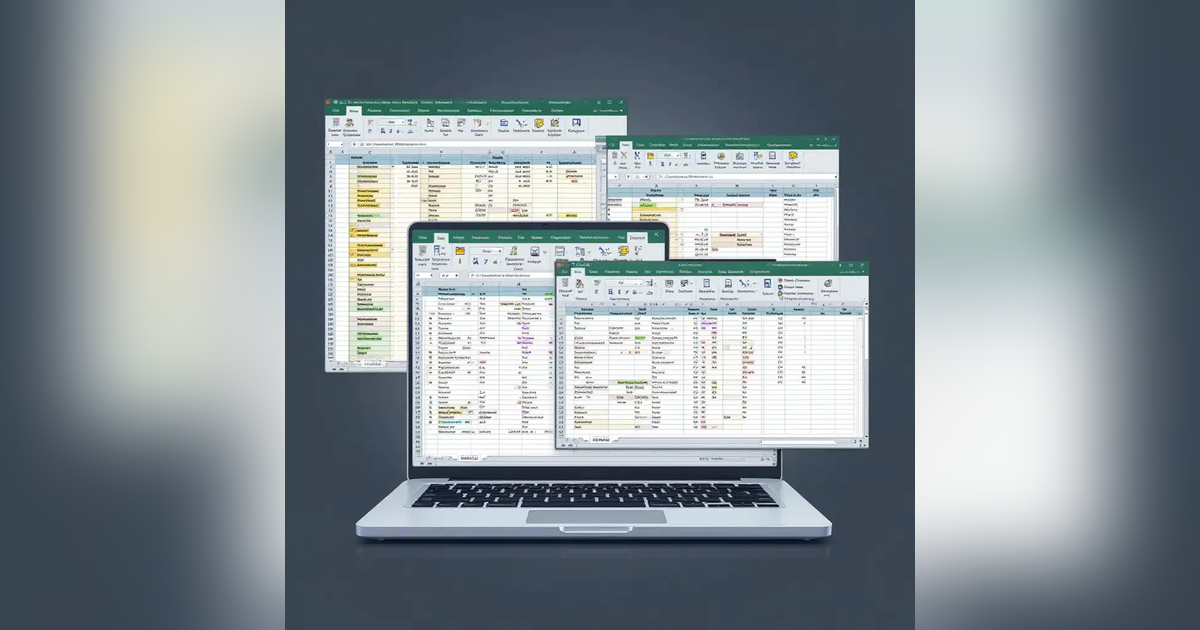
I watched great agents lose deals because spreadsheets were eating their time. Follow-ups missed. Leads gone. Policies buried across five different sheets. I built Round Table CRM because this shouldn't be how it works.
Here's what I mean by a spreadsheet bottleneck. You've got contacts scattered across multiple sheets. Manual data entry that takes forever. Team members overwriting each other's work. Follow-ups that go cold because nobody remembered to check the file. The spreadsheet isn't the tool anymore. It's the problem.
It's not that spreadsheets are bad. They're not. They got you where you are. But at some point, the time you spend managing the spreadsheet exceeds the time you spend actually serving clients.
Why It Happens (and When You'll Feel It)
You're mid-phone call. You can't remember if you already followed up. You don't know which sheet has the most recent notes. That's the feeling.
Or you find a contact in three different sheets. Each one has different notes. You don't know which is current. Or you ask a team member to follow up on a lead. A week later, it never happened. They didn't see the email.
Usually it hits when your business starts growing. More clients. Team members. Your book of business sprawls. The sheet that fit everything suddenly isn't enough. Now you need five sheets, three email inboxes, and a lot of hope.
The spreadsheet doesn't break. Your workflow does.
The Hidden Cost of Scattered Data
Scattered data costs you in ways you don't see immediately.
Leads go cold because follow-ups were logged somewhere nobody checks regularly. Policy details are hard to find, so you waste time searching. Duplicate records mean you reach out to the same contact twice, damaging the relationship. Beneficiary info and rider details get lost. When a claim comes through, you're scrambling.
Over time, this adds up. Lost revenue. Missed relationships. A book of business that feels bigger on paper than it is in reality.
Signs You've Outgrown Spreadsheets
You know you're there when any of these sound familiar:
- You spend more time managing spreadsheet data than serving clients
- Leads go cold because follow-ups weren't seen or remembered
- Finding policy details takes multiple searches across multiple files
- Adding team members makes chaos worse instead of better
- You can't quickly answer "Who do I need to call today?"
- New team members spend their first week figuring out where everything is
If more than two of these ring true, your spreadsheet is no longer your tool. It's become your anchor.
What Organized Actually Looks Like
Here's what organized actually looks like.
Every contact lives in one place. Full profile. History. Policies. Family relationships. Everything at a glance. A visual pipeline shows exactly where every lead stands: New, Contacted, Appointment, Illustrated, Pending, Won, Lost. You never wonder again.
Tasks and reminders make sure nothing gets missed.
You need to follow up? You know exactly who to call and why. Policy question comes in? All the details are right there. You add a team member? They see the same view you do. Nothing falls through the cracks.
And you get smarter. An AI coach gives you call scripts. Tells you who you need to focus on today. Answers questions about your clients right inside your workspace. You're not managing data anymore. You're running your business.
Making the Move
You don't start from zero. You import your existing spreadsheet data. Organize it the right way this time. Every contact gets a full record. Every policy gets tracked. Every lead gets a home in that visual pipeline.
First week, you set it up. Then you start using it. The spreadsheet slowly becomes the thing you export from once a year, not the thing you log into every day.
There's a moment when you realize something has changed. You have your time back. You're not managing chaos anymore. You're managing a business. It's different.
Round Table CRM gives you 7 days to set it up and test it with your real data. Try it before you commit to a plan. Just a chance to work the way you should be working.
FAQ
Q: What is a spreadsheet bottleneck?
A spreadsheet bottleneck occurs when spreadsheets become slower, more error-prone, and harder to manage than the value they provide. For insurance and financial services professionals, this typically happens when you have dozens of contacts across multiple overlapping sheets, manual data entry, team members conflicting, and follow-ups that get lost because nobody remembered to check the file.
Q: How do you know when spreadsheets are slowing you down?
You've hit the limit when you spend more time managing spreadsheet data than serving clients, when leads go cold because follow-ups weren't seen or remembered, when finding policy details takes minutes across multiple files, or when adding team members makes chaos worse instead of better.
Q: What's the real cost of keeping your book of business scattered across spreadsheets?
Scattered spreadsheets lead to lost leads, missed follow-up windows, duplicate client records, difficulty tracking policies and beneficiary information, and inconsistent client communication, costing you in lost revenue and damaged relationships over time.
Q: What replaces spreadsheets for managing your book of business?
A dedicated book-of-business CRM centralizes all client data in one searchable workspace, shows a visual pipeline of where every lead and client stands, and automates follow-up reminders so nothing gets lost.
Q: How do you transition from spreadsheets without losing your data?
Most CRMs allow you to import your existing spreadsheet data as your foundation, then organize each client record with linked policies, family relationships, and communication history, building on what you have instead of starting from zero.
Q: What should you look for in a CRM to actually replace spreadsheets?
Look for a CRM built specifically for your industry with built-in policy and beneficiary tracking, a visual pipeline for leads, task automation, team-friendly features, and a trial period, not a generic sales tool repurposed for agents.
Get The Daily Insider
Enjoyed this report? Get it delivered to your inbox every weekday morning. Free, and takes 30 seconds to sign up.